Menopause Symptoms
CURRENT GUIDANCE UPDATE
Hormone Replacement Therapy (HRT)
HRT remains the most effective treatment for menopause symptoms. For most healthy women under 60 years of age and within 10 years of menopause, the benefits generally outweigh the potential risks.
Managing Vasomotor Symptoms
Hot flashes and night sweats are the primary indications for HRT. Cognitive Behavioural Therapy (CBT) is also recommended as an evidence-based non-hormonal treatment option.
Timing Hypothesis
Cardiovascular and bone health benefits of HRT are well supported when therapy is initiated within 10 years of menopause, reinforcing the "timing hypothesis."
Individualised Treatment
Menopause management should be tailored to each woman's symptoms, medical history, risk profile and personal preferences, with regular review of treatment benefits and risks.
Introduction
Managing Menopause Symptoms
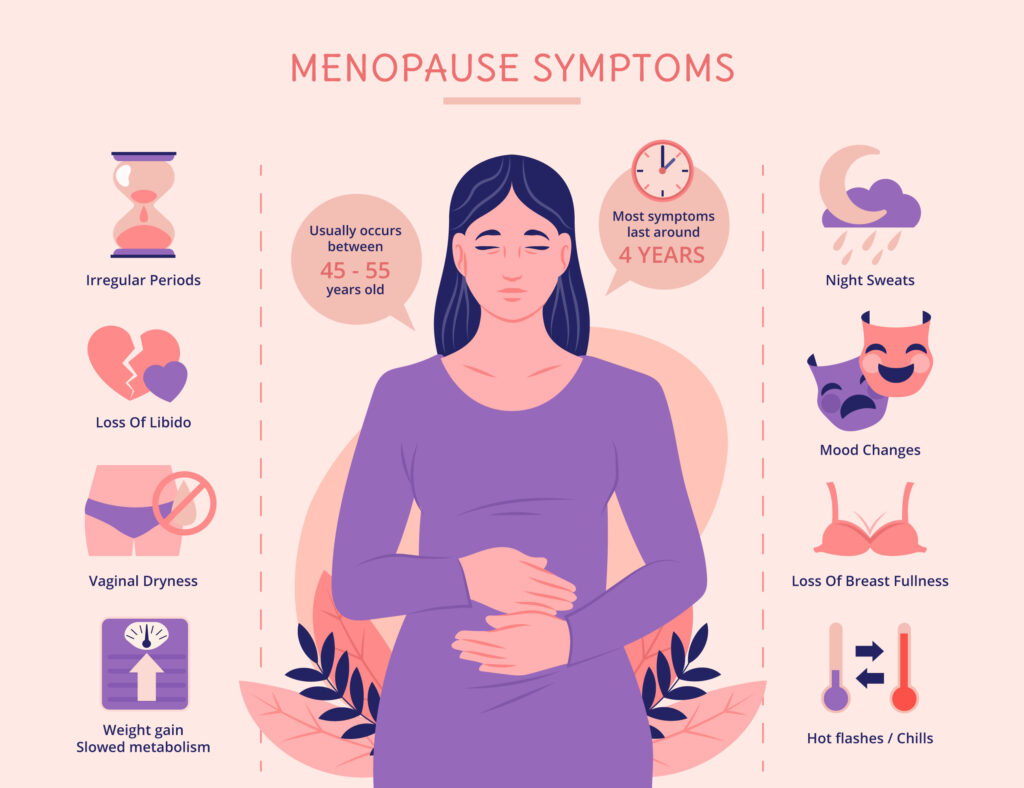
Menopause symptoms are primarily caused by declining oestrogen levels. While hot flashes and night sweats are the most recognised features, menopause can affect sleep, mood, cognition, sexual health, bones, skin and cardiovascular wellbeing. Modern treatment focuses on personalised care and evidence-based therapies.
Hot Flashes & Night Sweats
Hot flashes and night sweats affect around 70–80% of women during the menopausal transition. Oestrogen withdrawal alters the hypothalamic thermoregulatory centre, narrowing the body's thermoneutral zone and triggering heat loss responses at lower core temperatures.
The Full Spectrum
Evidence-Based HRT
HRT remains the most effective treatment for vasomotor symptoms and Genitourinary Syndrome of Menopause. Women starting therapy before age 60 and within 10 years of menopause may gain symptom relief, bone protection and potential cardiovascular benefits.
Alternative Treatments
Frequently Asked Questions
At what age does menopause start?
The average age of natural menopause is 51. The perimenopause transition begins, on average, 4–6 years before the final period. Menopause before age 40 is defined as premature ovarian insufficiency and requires specialist management.
Is it safe to take HRT after breast cancer?
HRT is generally contraindicated after hormone-receptor-positive breast cancer. This is a complex area, particularly for women with severe symptoms, and decisions should be made with oncological input. Local vaginal oestrogen may be acceptable in some cases.
Conclusion
Menopause symptoms deserve effective clinical management. The tools available — HRT and evidence-based non-hormonal alternatives — are highly effective. Dr. Ruby Rashmi's menopause care programme provides personalised, evidence-based management for every woman navigating this important life transition.
Sources & References
This article draws on guidance current at the time of writing from the following bodies and publications:
- RCOG (2023 Menopause Position Statement)
- NICE NG23 (updated 2023)
- IMS (2023 Global Consensus)
General reference bodies for women's health guidance:
RCOG
rcog.org.ukACOG
acog.orgFIGO
figo.orgWHO
who.intNICE
nice.org.uk⚠ IMPORTANT DISCLAIMER
This article is provided for general knowledge and reference purposes only. It is not a substitute for professional medical advice, diagnosis, or treatment. No medication, treatment, or change to your healthcare should be undertaken based on this content without first consulting a qualified doctor. Always seek the advice of your physician or another qualified health provider with any questions you may have regarding a medical condition.