
Endometriosis Basics
Current Guidance Update
Updated Endometriosis Guidelines
The first major evidence-based guideline update since 2014 confirms that the average diagnostic delay of 7–10 years remains unacceptably common.
Empirical Hormonal Therapy
Empirical hormonal treatment is considered appropriate for women with suspected endometriosis while awaiting laparoscopic confirmation and specialist assessment.
Prevalence & Infertility
Endometriosis affects approximately 10% of reproductive-age women and is present in up to 50% of women experiencing infertility.
Global Health Priority
Endometriosis is recognized as a major public health concern, with improved awareness, earlier diagnosis, and shorter referral pathways identified as global priorities.
Introduction
Endometriosis: Symptoms, Diagnosis & Treatment
How Endometriosis Causes Symptoms
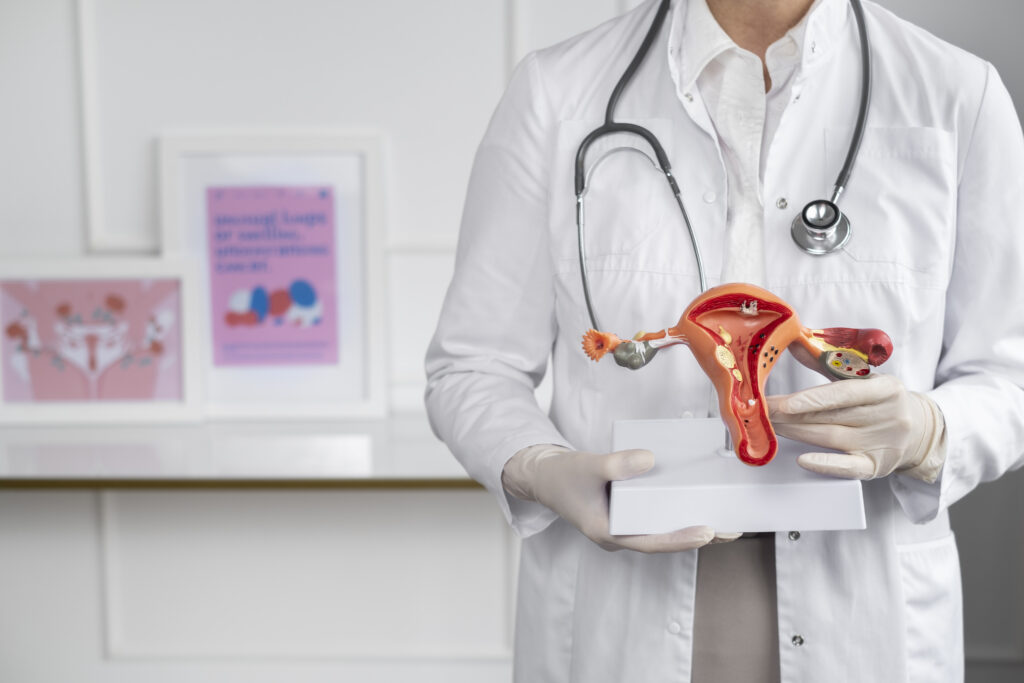
Ectopic endometrial tissue responds to hormonal changes like the uterine lining, causing repeated bleeding, inflammation, fibrosis, and adhesions. Ovarian endometriomas contain collected old blood and contribute to chronic pelvic pain and infertility.
Common Symptoms
- Progressive dysmenorrhoea
- Deep dyspareunia
- Dyschezia during menstruation
- Chronic pelvic pain
- Infertility affecting 30–50% of women
- Persistent fatigue
Clinical Assessment
Laparoscopy with histological confirmation remains the definitive diagnostic test. However, ESHRE 2022 supports empirical hormonal treatment based on clinical findings, while MRI provides valuable staging information for deep infiltrating disease.
Evidence-Based Management
- Continuous combined oral contraceptive pill
- Progestins including dienogest
- GnRH analogues with add-back HRT
- Aromatase inhibitors for resistant disease
Laparoscopic Excision
Laparoscopic excision is superior to ablation for improving both pain relief and fertility outcomes. Complete excision performed by experienced laparoscopic surgeons offers the best long-term symptom control and reduces disease recurrence.
Frequently Asked Questions
Does endometriosis always cause infertility?
No — approximately 30–50% of women with endometriosis have difficulty conceiving, but many conceive naturally.
Can endometriosis be cured?
Currently there is no cure. Surgical excision significantly reduces disease burden but recurrence rates are 20–50% at 5 years without ongoing hormonal suppression.
Conclusion
Endometriosis deserves growing clinical and public attention. Earlier diagnosis, evidence-based management, and genuine recognition of its impact on quality of life are the priorities.
Sources & References
This article draws on guidance current at the time of writing from the following bodies and publications:
- ESHRE (2022 Endometriosis Guidelines)
- RCOG GTG 24 (2023)
- ACOG (2022)
- WHO (2023)
General reference bodies for women's health guidance:
RCOG
rcog.org.ukACOG
acog.orgFIGO
figo.orgWHO
who.intNICE
nice.org.uk⚠ IMPORTANT DISCLAIMER
This article is provided for general knowledge and reference purposes only. It is not a substitute for professional medical advice, diagnosis, or treatment. No medication, treatment, or change to your healthcare should be undertaken based on this content without first consulting a qualified doctor. Always seek the advice of your physician or another qualified health provider with any questions you may have regarding a medical condition.