
Bone Health After Menopause
CURRENT GUIDANCE UPDATE
Bone Loss After Menopause
Women lose approximately 10% of bone mass during the first five years after menopause, with total lifetime bone loss averaging 35–50%.
HRT for Bone Protection
Hormone Replacement Therapy (HRT) is as effective as bisphosphonates for protecting bone health and should be considered first-line therapy for women who also experience menopausal symptoms.
FRAX Risk Assessment
All women over 50 should have fracture risk assessed using the FRAX tool to identify those who may benefit from preventive treatment and further evaluation.
DXA Scan Recommendation
Bone mineral density testing with DXA is recommended for women with a T-score of −2.0 or lower or those identified as having a high fracture risk using FRAX.
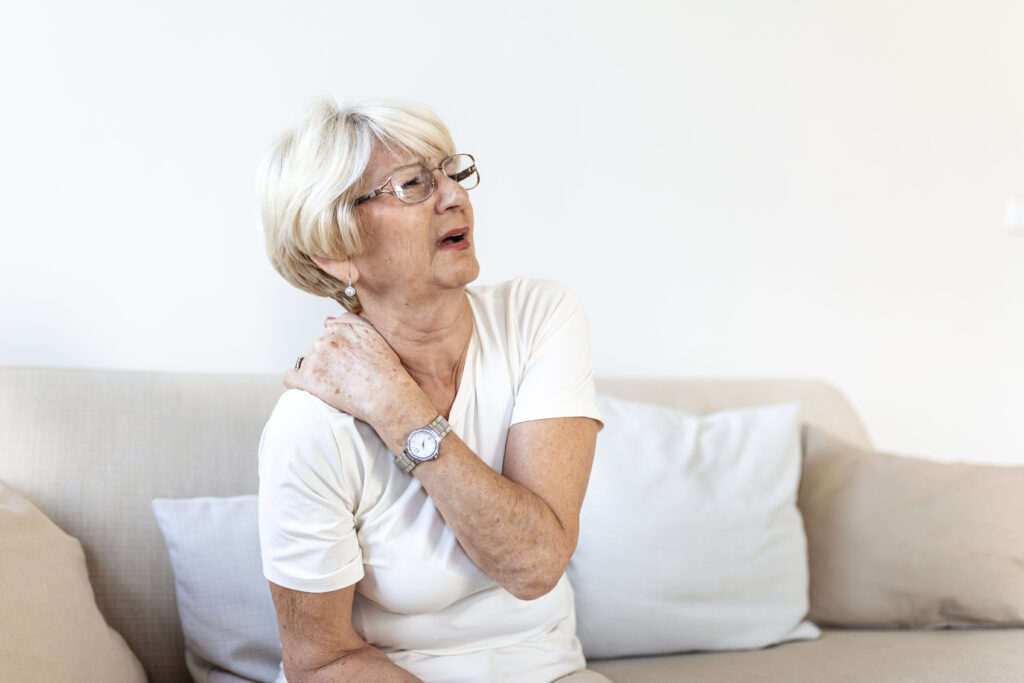
Introduction
Bone Health After Menopause
Declining oestrogen levels accelerate bone loss during menopause by increasing osteoclast activity and reducing bone formation. Women are particularly vulnerable during the first five years after menopause, making early assessment and preventive strategies essential for long-term skeletal health.
How Menopause Affects Bone
Bone is continuously remodelled by osteoclasts (bone resorption) and osteoblasts (bone formation). Oestrogen normally suppresses osteoclast activity; when levels fall, bone breakdown accelerates and women may lose 1–3% of bone mineral density each year during the first five years after menopause.
Who Is at Higher Risk?
- Early menopause or premature ovarian insufficiency
- Family history of hip fracture or osteoporosis
- Low body weight (BMI below 20)
- Smoking and excessive alcohol intake
- Long-term corticosteroid therapy
- Malabsorption, rheumatoid arthritis or kidney disease
- Falls risk due to poor vision, medications or balance problems
Diagnosis & Screening
- FRAX calculator estimates 10-year fracture risk
- DXA scan is the gold standard for bone density measurement
- T-score between −1.0 and −2.5 indicates osteopenia
- T-score of −2.5 or below confirms osteoporosis
- Vertebral fracture assessment may identify silent spinal fractures
Bone Protection Strategies
- Hormone Replacement Therapy for eligible menopausal women
- 700–1200 mg calcium daily from diet or supplements
- 800–1000 IU vitamin D daily for optimal calcium absorption
- Weight-bearing and resistance exercises
- Balance training, vision correction and fall prevention measures
Pharmacological Management
Women with established osteoporosis or a high fracture risk benefit from evidence-based medication. Bisphosphonates such as alendronate, risedronate and zoledronate remain first-line therapies and reduce fracture risk by 40–70%. Denosumab provides an effective six-monthly injectable alternative, while romosozumab and teriparatide are reserved for severe osteoporosis requiring bone-building therapy.
Frequently Asked Questions
How do I know if I have osteoporosis?
Osteoporosis is usually asymptomatic until a fracture occurs. Risk assessment with FRAX and DXA scanning identifies at-risk women before fractures happen. All women should discuss bone health assessment with their gynaecologist from the time of menopause.
Will HRT protect my bones?
Yes. HRT is highly effective for preventing postmenopausal bone loss and fracture, as effective as bisphosphonates, while also treating menopausal symptoms. Bone protection is maintained while HRT is taken.
Conclusion
Menopause-related bone loss is preventable. Early awareness, lifestyle optimisation, appropriate supplementation, and, where indicated, pharmacological treatment can significantly reduce fracture risk. Dr. Ruby Rashmi addresses bone health as an integral component of every menopause consultation.
Sources & References
This article draws on guidance current at the time of writing from the following bodies and publications:
IOF/NOF
2023 Global Osteoporosis GuidelinesRCOG
2024 Clinical GuidelinesNICE
NG187 (2022)⚠ IMPORTANT DISCLAIMER
This article is provided for general knowledge and reference purposes only. It is not a substitute for professional medical advice, diagnosis, or treatment. No medication, treatment, or change to your healthcare should be undertaken based on this content without first consulting a qualified doctor. Always seek the advice of your physician or another qualified health provider with any questions you may have regarding a medical condition.