Healthy Aging for Women
CURRENT GUIDANCE UPDATE
Healthy Ageing Strategy
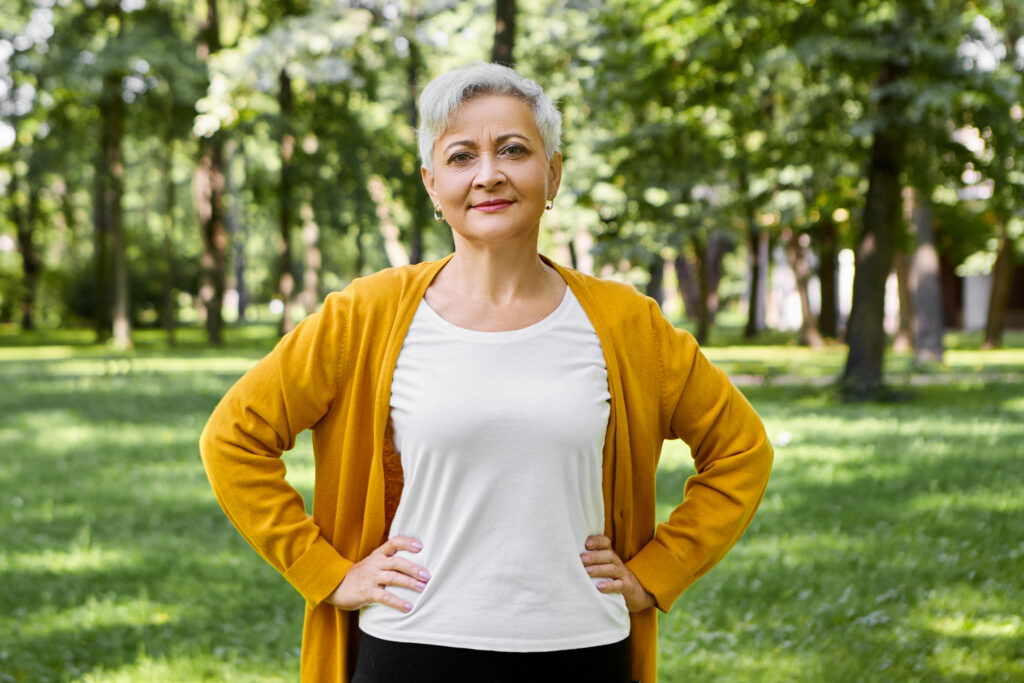
Healthy ageing requires integrated attention to physical health, cognitive function, emotional wellbeing, and social participation throughout later life.
Structured Postmenopausal Care
Postmenopausal women should receive organised cardiovascular assessment, bone health evaluation, and appropriate cancer screening as part of routine healthy ageing care.
Lifestyle Interventions
Regular exercise, balanced nutrition, healthy weight maintenance, and lifestyle modification significantly reduce the burden of age-related disease in women.
Long-Term Healthy Living
Continuous preventive care, early risk detection, and healthy lifestyle habits support independence, improve quality of life, and promote successful ageing.
Introduction
Healthy Ageing Essentials
Cardiovascular Health
Cardiovascular disease becomes the leading cause of death in women after menopause as the protective effect of oestrogen declines. Regular blood pressure, lipid, and glucose monitoring combined with healthy lifestyle choices are essential from midlife onwards.
Bone and Muscle Health
Bone density decreases rapidly after menopause, while age-related muscle loss increases frailty and fall risk. Weight-bearing exercise, resistance training, and adequate protein intake help maintain strength and independence.
Cognitive Health
Protecting cognitive function involves cardiovascular risk management, regular exercise, social engagement, and optimal control of diabetes and hypertension. Appropriate hormone therapy timing may also influence long-term cognitive health.
Cancer Screening Continuation
• Cervical screening until age 65 with previous normal results
• Breast screening according to national guidelines into the 70s
• Colorectal cancer screening from age 45–50
• Ongoing breast and gynaecological symptom awareness
Sexual Health and Intimacy
Sexual wellbeing remains an important aspect of healthy ageing. Genitourinary syndrome of menopause affecting vaginal and urinary comfort is common, highly treatable, and should never be accepted as an unavoidable part of ageing.
Social Connection
Social isolation increases the risk of physical and cognitive decline. Maintaining relationships, purposeful activities, community engagement, and addressing loneliness are essential components of healthy ageing strategies.
Healthy Lifestyle
Regular physical activity, balanced nutrition, quality sleep, stress management, and avoiding tobacco contribute significantly to healthy ageing and reduce the risk of chronic disease.
Personalised Healthy Ageing
Routine preventive reviews and personalised healthcare plans enable early detection of health concerns, support independence, and improve overall quality of life throughout later years.
Frequently Asked Questions
Is it normal to lose muscle strength as I age?
Some muscle loss is a natural part of ageing, but significant strength loss can be substantially slowed through regular resistance exercise and adequate protein intake. It should not be accepted as inevitable without attempting intervention.
Can I still address sexual health concerns as an older woman?
Absolutely. Sexual health and comfort remain important at every age, and effective treatments exist for the common changes associated with menopause and ageing.
Conclusion
Healthy ageing for women is an active, ongoing process requiring attention to cardiovascular, bone, cognitive, and emotional health. Dr. Ruby Rashmi supports women through every decade of this journey with individualised, evidence-based guidance.
Sources & References
This article draws on guidance current at the time of writing from the following bodies and publications:
WHO
2024 Healthy Ageing StrategyACOG
2023 GuidelinesNICE
2023 Guidelines⚠ IMPORTANT DISCLAIMER
This article is provided for general knowledge and reference purposes only. It is not a substitute for professional medical advice, diagnosis, or treatment. No medication, treatment, or change to your healthcare should be undertaken based on this content without first consulting a qualified doctor. Always seek the advice of your physician or another qualified health provider with any questions you may have regarding a medical condition.