
HPV Screening
Current Guidance Update
Cervical Cancer Elimination
The WHO aims to eliminate cervical cancer as a public health problem through widespread HPV vaccination, regular screening, and timely treatment by 2030.
Preferred Screening Method
For women aged 30–65 years, HPV co-testing every 5 years is the preferred cervical cancer screening strategy when available.
High-Risk HPV Types
HPV types 16 and 18 are responsible for approximately 70% of cervical cancers worldwide, making early detection and vaccination essential.
Prevention First
Combining HPV vaccination with routine cervical screening offers the most effective protection against precancerous changes and significantly reduces cervical cancer risk.
Introduction
HPV: Screening, Vaccination & Prevention
What Is HPV?
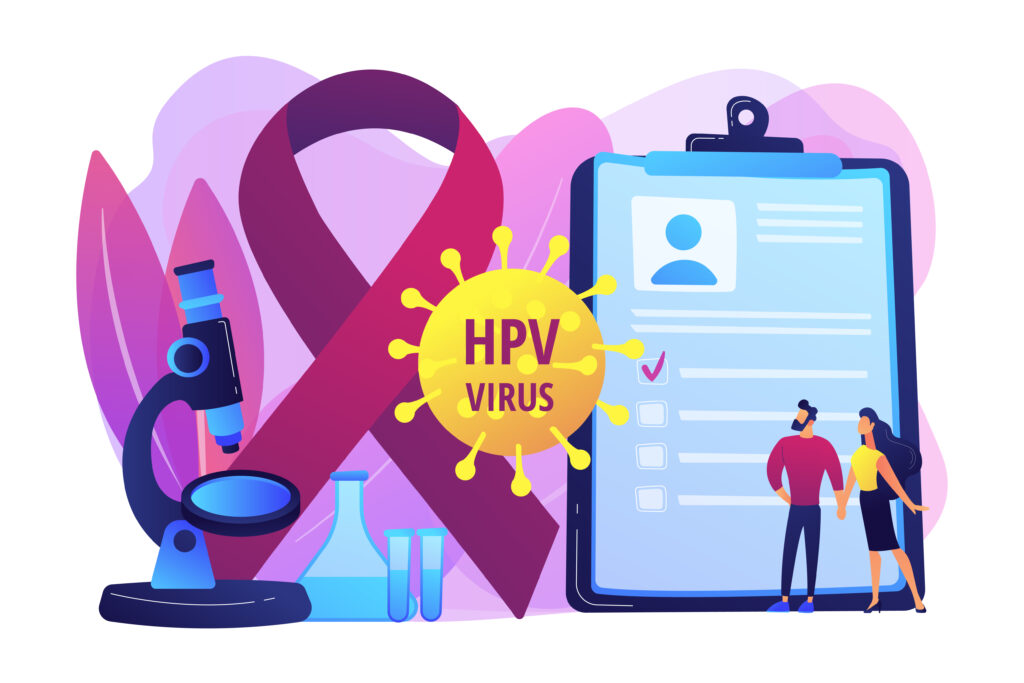
Human papillomavirus (HPV) includes more than 200 related viruses, with approximately 14 classified as high-risk. Most sexually active individuals will acquire HPV at least once during their lifetime, and the majority of infections clear naturally through the immune system.
HPV Types & Cancer Risk
- HPV 16 & 18: Cause approximately 70% of cervical cancers.
- HPV 31, 33, 45, 52 & 58: Account for an additional 15–20%.
- HPV 6 & 11: Low-risk types responsible for genital warts, not cancer.
HPV Testing Method
HPV testing uses molecular techniques to detect HPV DNA or RNA from the same liquid-based cytology sample collected during a Pap smear, allowing simultaneous HPV genotyping and cervical cell assessment.
HPV Vaccine
- Gardasil 9 protects against nine HPV types covering about 90% of cervical cancers and genital warts.
- Most effective when given between 9–14 years before HPV exposure.
- Catch-up vaccination is recommended up to age 26, with vaccination for ages 27–45 considered after individual risk assessment.
HPV and Other Cancers
In addition to cervical cancer, persistent HPV infection is associated with oropharyngeal, anal, vulvar, vaginal, and penile cancers. Vaccination, routine screening, and early awareness play a vital role in reducing the risk of HPV-related diseases across all these sites.
Frequently Asked Questions
If I test HPV positive, do I have cancer?
No. A positive test means a current infection requiring monitoring; the vast majority resolve without causing cancer.
Should I be vaccinated if I've already had HPV?
Yes — vaccination may still protect against HPV types not yet acquired.
Conclusion
HPV screening is the most sensitive tool currently available for early cervical cancer detection. Combined with vaccination, it provides a powerful two-step prevention strategy.
Sources & References
This article draws on guidance current at the time of writing from the following bodies and publications:
- WHO 90-70-90 Strategy (2030 target)
- ACOG (2021, reaffirmed 2023)
- IARC/WHO (2022)
General reference bodies for women's health guidance:
RCOG
rcog.org.ukACOG
acog.orgFIGO
figo.orgWHO
who.intNICE
nice.org.uk⚠ IMPORTANT DISCLAIMER
This article is provided for general knowledge and reference purposes only. It is not a substitute for professional medical advice, diagnosis, or treatment. No medication, treatment, or change to your healthcare should be undertaken based on this content without first consulting a qualified doctor. Always seek the advice of your physician or another qualified health provider with any questions you may have regarding a medical condition.